

Reduce workers’ comp risk with better incident investigations
Reduce workers’ comp risk with better incident investigations
Workers’ compensation costs don’t just come from the incident itself, they come from what happens after.
Incomplete investigations, delayed corrective actions, and inconsistent documentation are some of the biggest drivers of repeat incidents and rising claims. And for organizations managing multiple sites, those gaps multiply quickly.
The good news, improving how incidents are investigated is one of the fastest ways to reduce risk, control costs, and strengthen your overall safety program.
Why incident investigations matter more than ever
According to OSHA, employers pay nearly $1 billion per week in direct workers’ compensation costs.
At the same time, industry data shows that:
- 60–80% of workplace incidents have identifiable root causes that could be prevented
- Organizations that focus on root cause analysis see significant reductions in repeat incidents
- Delayed or inconsistent investigations increase the likelihood of costly claims and regulatory exposure
The takeaway is simple: Better investigations don’t just document what happened—they prevent what happens next.
The real challenge for multi-site safety teams
Most safety leaders already know how to investigate incidents. The problem is consistency.
Across multiple locations, investigations often vary based on:
- Supervisor experience and training
- Available tools and documentation
- Time pressures and competing priorities
This leads to:
- Gaps in documentation that weaken claims defensibility
- Missed root causes and recurring incidents
- Limited visibility into trends across sites
- Higher workers’ comp costs over time
Without a standardized system, even strong safety programs become reactive.
What better incident investigations actually look like
Reducing workers’ comp risk starts with three things:
- Consistent workflows across every site
- Trained supervisors who know how to investigate properly
- Centralized visibility into trends and corrective actions
This is where many organizations fall short—not because of effort, but because their tools don’t support it.
How EHS Hero helps reduce workers’ comp risk
EHS Hero® connects incident investigations, training, and compliance workflows in one system—so safety teams can move faster, stay consistent, and prevent repeat incidents.
1. Standardize investigations across every location
EHS Hero’s Incident Reporting and Investigation tools create a consistent process for:
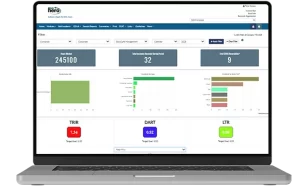
- Capturing incident details in real time
- Conducting structured root cause analysis
- Assigning and tracking corrective actions
Result: More complete investigations and stronger documentation for claims and audits. Explore EHS Hero’s integrated incident reporting and CAPA workflows.
2. Train supervisors to investigate the right way
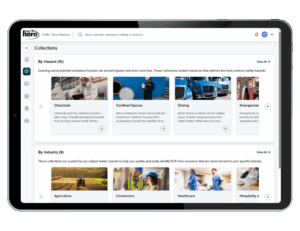
With built-in training materials, Learning Tracks, and collections, teams can standardize how investigations are conducted across all sites.
Supervisors are equipped to:
- Identify contributing factors, not just symptoms
- Document findings clearly and consistently
- Take corrective action that prevents recurrence
Result: Fewer investigation gaps and more effective prevention.
Pro tip: Strong investigations start with the right training and support.
Focus your training on:
- Workplace safety fundamentals
- Incident response and reporting
- Hazard identification
With EHS Hero Collections, teams can bring together training, regulatory guidance, and documentation in one place—helping align with OSHA requirements, reinforce procedures, and ensure consistency across every site.
3. Identify trends before they become claims
EHS Hero centralizes data across locations, making it easy to track:
- Incident frequency and severity
 Root cause patterns
- Corrective action completion rates
Result: Safety leaders can prioritize high-risk areas and stop repeat incidents before they drive costs.
4. Strengthen compliance and defensibility
With built-in regulatory guidance and structured documentation, EHS Hero helps ensure investigations align with OSHA expectations.
Result: More defensible records, reduced regulatory risk, and greater confidence during audits or claims reviews.
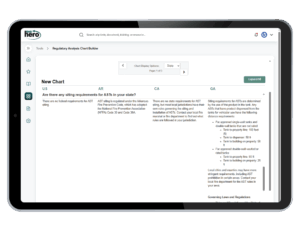
Explore the Regulatory Analysis Chart Builder and see how easily you can navigate federal and state requirements.
The impact on workers’ comp and safety performance
When incident investigations improve, the results follow:
- Fewer repeat incidents
- Lower workers’ compensation costs
- Faster corrective action closure
- Stronger audit readiness
- Better visibility across sites
Most importantly, safety teams shift from reacting to incidents to preventing them at the source.
A smarter approach to incident management
For multi-site organizations, reducing workers’ comp risk isn’t about working harder—it’s about working more consistently.
EHS Hero brings together:
- Regulatory expertise backed by decades of compliance experience
- Integrated safety management tools
- Training that reinforces real-world execution
So your team can move from fragmented investigations to a structured, scalable safety program.
Take the next step
If incident investigations are still inconsistent across your locations, there’s an opportunity to reduce risk—and cost—quickly.
Ready to see EHS Hero in action? Request a demo.