
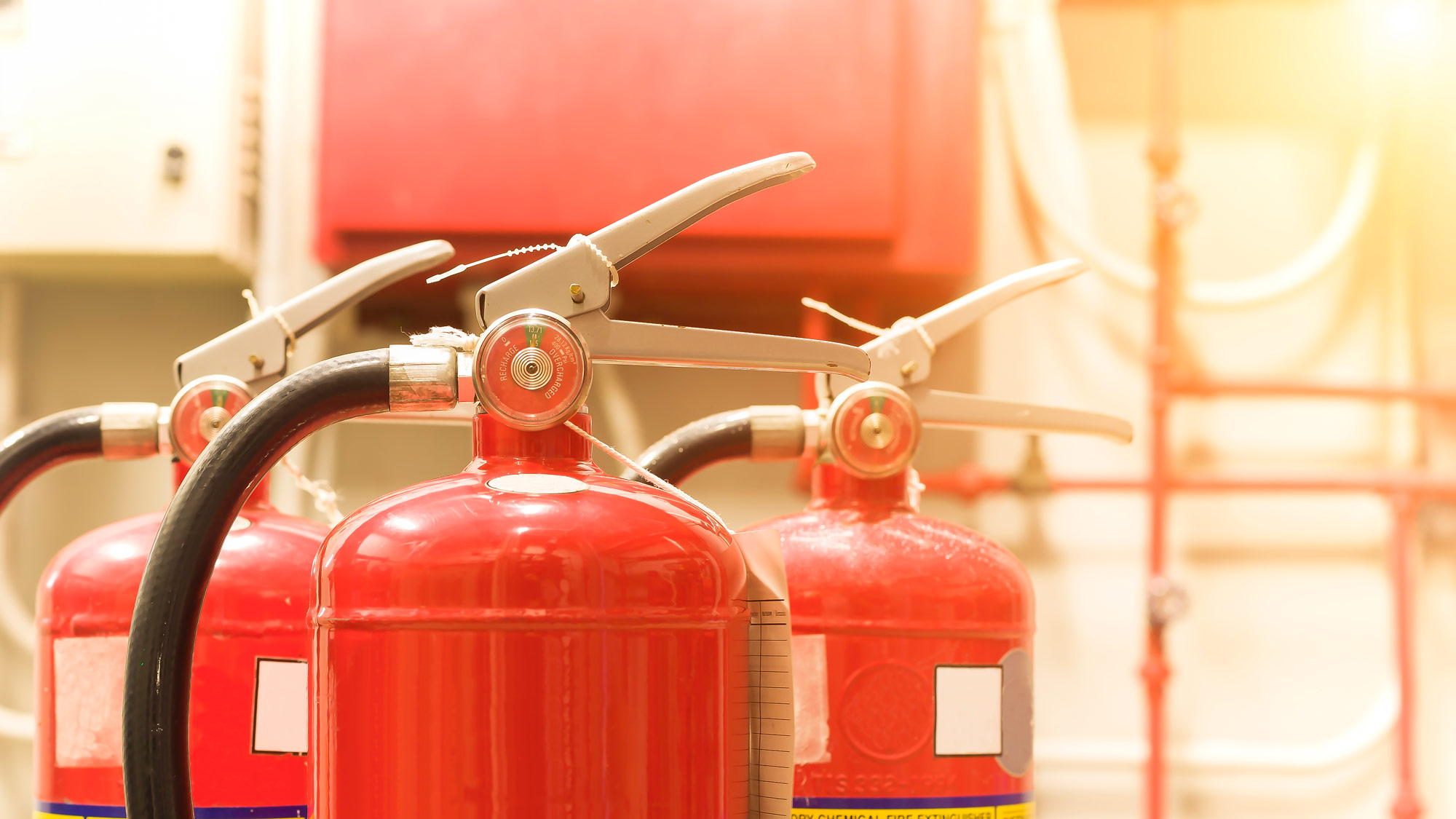
Preventing workplace fires with good housekeeping
Good housekeeping prevents workplace fires by removing combustible waste, storing flammable materials properly, and keeping exits and fire protection equipment accessible. For EHS managers, fire prevention housekeeping works best as an ongoing practice with clear responsibilities, regular inspections and a process for correcting hazards promptly.
In recognition of National Fire Prevention Week, which took place from October 4 to 10, it’s important to remember that fire prevention isn’t always complicated. Routine housekeeping, such as removing combustible waste, properly storing flammable materials, and keeping exits and fire protection equipment accessible can go a very long way in mitigating fire hazards.
For EHS managers, good housekeeping should be more than an occasional cleanup effort. It should be part of the facility’s ongoing fire prevention practices, with clear responsibilities, regular inspections, and procedures for correcting hazards when they are identified.
How do you control combustible materials?
Paper, cardboard, trash, and other combustible materials can easily ignite and cause a fire to spread rapidly. To help control these hazards:
- Keep work and storage areas, especially areas where flammable liquids are kept, free of clutter and combustible materials.
- Remove flammable wastes rather than allowing unsafe accumulation, and follow any specific storage and disposal requirements that may apply.
- Prevent combustible materials like paper and other trash from gathering near hot equipment, electrical outlets, or smoking areas.
- Clean up spills of flammable liquids promptly using appropriate procedures and materials.
What does OSHA require for exit routes and fire protection equipment?
Good housekeeping is also critical to maintaining safe evacuation routes and access to fire protection equipment.
OSHA requires exit routes to be kept clear and unobstructed to allow for orderly evacuation in the event of a fire. Do not leave any materials or equipment, even temporarily, where they could block access to stairways, exits, or egress routes.
Similarly, materials or equipment must not block access to fire extinguishers or other fire protection equipment. Employees need to be able to access and use them quickly when necessary.
In addition, there must be adequate clearance, at least 18 inches, between fire suppression sprinkler heads and stored materials and equipment. Verify that your local/state fire code rules do not impose additional clearance requirements.
How should flammable and combustible wastes be managed?
Waste management is another important part of workplace fire prevention. Solvents, fuels, oils, oily rags, and other potentially flammable or combustible wastes shouldn’t simply be discarded with ordinary trash.
Facilities should:
- Provide appropriate containers for flammable, combustible, hazardous, reactive, or otherwise regulated wastes.
- Manage oily rags and similar materials in appropriate covered containers and according to applicable regulations.
- Keep waste materials in their proper containers and ensure that incompatible wastes, such as those that could react violently when mixed, aren’t placed together.
- Make sure employees understand where and how the wastes they generate should be stored and disposed of. Remember that different materials may be subject to different requirements. For example, paint thinners, acetone, propane tanks, gasoline containers, used motor oil, and automotive batteries shouldn’t automatically be treated in the same manner.
- Dispose of flammable and combustible wastes in accordance with applicable federal, state, and local waste regulations.
Should employees fight workplace fires?
It’s often unavoidable to have flammable and combustible materials stored at a worksite but keeping things where they belong can really help reduce the risk of fire. In the event of a fire, portable fire extinguishers can be an important part of workplace fire protection, but it does not mean that every employee should attempt to fight a fire.
Employers should have a clear policy addressing whether employees are expected to evacuate immediately or are permitted or designated to use portable fire extinguishers on incipient-stage fires. That decision affects the employer’s responsibilities under OSHA’s portable fire extinguisher requirements.
Where portable fire extinguishers are provided for employee use, employees must be properly educated and trained.
How do you make housekeeping part of your fire prevention program?
Incorporating housekeeping into the facility’s fire prevention procedures is a good management practice.
EHS managers should periodically evaluate whether:
- Fire and housekeeping responsibilities are clearly assigned.
- Exit routes and access to fire protection equipment are included in routine inspections.
- Combustible waste is removed frequently enough to prevent unsafe accumulation.
- Flammable and combustible materials are stored appropriately.
- Required sprinkler clearances are maintained.
- Employees know how to handle and dispose of the materials and wastes they encounter.
- Employees understand the facility’s policy on evacuation and portable fire extinguisher use.
- Identified housekeeping deficiencies are documented and corrected promptly.
Good housekeeping may seem basic, but its effect on fire prevention can be significant.
Frequently asked questions
How does housekeeping help prevent workplace fires?
Housekeeping helps prevent workplace fires by removing combustible waste before it accumulates, properly storing flammable materials and keeping exits and fire protection equipment accessible. Paper, cardboard and trash can ignite easily and help a fire spread rapidly, so keeping these materials away from hot equipment, electrical outlets and smoking areas reduces the risk.
How much clearance is required below sprinkler heads?
Stored materials and equipment must have at least 18 inches of clearance from fire suppression sprinkler heads. Your state or local fire code may impose additional clearance requirements, so verify the rules that apply to your facility. Required sprinkler clearances should also be part of the periodic evaluation of your fire prevention program.
Can oily rags go in the regular trash?
No. Oily rags, solvents, fuels, oils and other potentially flammable or combustible wastes shouldn’t simply be discarded with ordinary trash. Manage oily rags in appropriate covered containers according to applicable regulations, keep incompatible wastes apart and dispose of flammable and combustible wastes in accordance with federal, state and local waste regulations.
Should every employee use a fire extinguisher?
No. Portable fire extinguishers can be an important part of workplace fire protection, but that doesn’t mean every employee should attempt to fight a fire. Employers should have a clear policy stating whether employees evacuate immediately or are permitted or designated to use extinguishers on incipient-stage fires. Employees who use them must be properly educated and trained.